
- English
- Español
- Português
- русский
- Français
- 日本語
- Deutsch
- tiếng Việt
- Italiano
- Nederlands
- ภาษาไทย
- Polski
- 한국어
- Svenska
- magyar
- Malay
- বাংলা ভাষার
- Dansk
- Suomi
- हिन्दी
- Pilipino
- Türkçe
- Gaeilge
- العربية
- Indonesia
- Norsk
- تمل
- český
- ελληνικά
- український
- Javanese
- فارسی
- தமிழ்
- తెలుగు
- नेपाली
- Burmese
- български
- ລາວ
- Latine
- Қазақша
- Euskal
- Azərbaycan
- Slovenský jazyk
- Македонски
- Lietuvos
- Eesti Keel
- Română
- Slovenski
- मराठी
- Srpski језик
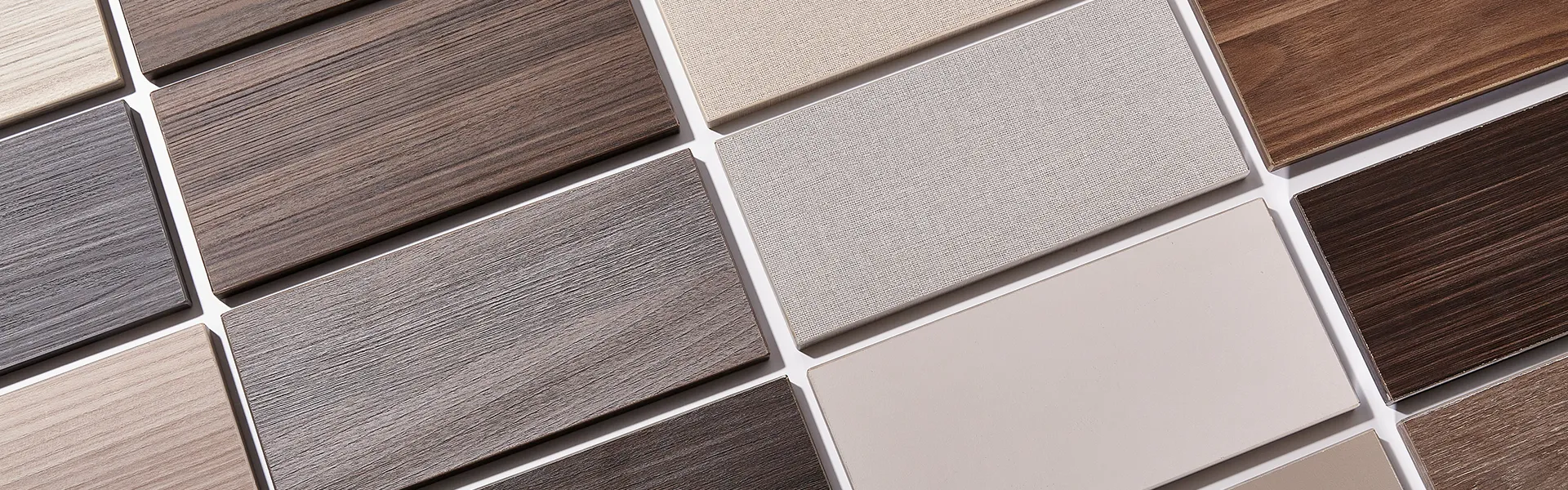
Plywood with laminated acrylic film
Plywood laminated with acrylic film (also referred to as PMMA film lamination) is a decorative processing technology that attaches acrylic thin films to plywood substrates through dedicated processes. It endows panels with high-gloss, highly wear-resistant and easy-to-clean surfaces, and is widely applied in furniture manufacturing and interior decoration industries.
1. Lamination Process
- Sand the plywood surface and remove all dust thoroughly.
- Adopt PUR hot melt adhesive (with outstanding water resistance, weather resistance and high bonding strength).
- Control the glue layer thickness between 0.1 mm and 0.2 mm, and align the acrylic film precisely with the substrate.

2. Main Features
- Glass-like high-gloss finish that brightens spaces and delivers a modern style.
- Scratch and oil resistant; easy to wipe clean with ordinary damp cloths.
- The acrylic film blocks moisture to shield the plywood substrate.
- The film itself releases zero formaldehyde, meeting indoor environmental protection standards.
- Customizable options including solid colors, metallic tones, wood grain textures and other finishes.

3. Application Scenarios
- Furniture Manufacturing: cabinet doors, wardrobe panels, TV cabinets, dining table tops.
- Interior Decoration: wall decorative panels, feature walls, partitions, display cabinets.
- Commercial Spaces: shop display cabinets, cashier counters, reception desks, signage boards.

4. Usage Recommendations
- Avoid high-temperature environments: keep away from heat sources such as stoves, ovens and radiators.
- Anti-scratch maintenance: clean with soft cloths; avoid steel wool or sharp cleaning tools.
- Edge treatment: use edge banding strips or chamfering process to prevent film edge lifting.
- Substrate matching: select waterproof plywood for humid environments to boost overall durability.

 Hanhua
 Jake lin