
- English
- Español
- Português
- русский
- Français
- 日本語
- Deutsch
- tiếng Việt
- Italiano
- Nederlands
- ภาษาไทย
- Polski
- 한국어
- Svenska
- magyar
- Malay
- বাংলা ভাষার
- Dansk
- Suomi
- हिन्दी
- Pilipino
- Türkçe
- Gaeilge
- العربية
- Indonesia
- Norsk
- تمل
- český
- ελληνικά
- український
- Javanese
- فارسی
- தமிழ்
- తెలుగు
- नेपाली
- Burmese
- български
- ລາວ
- Latine
- Қазақша
- Euskal
- Azərbaycan
- Slovenský jazyk
- Македонски
- Lietuvos
- Eesti Keel
- Română
- Slovenski
- मराठी
- Srpski језик
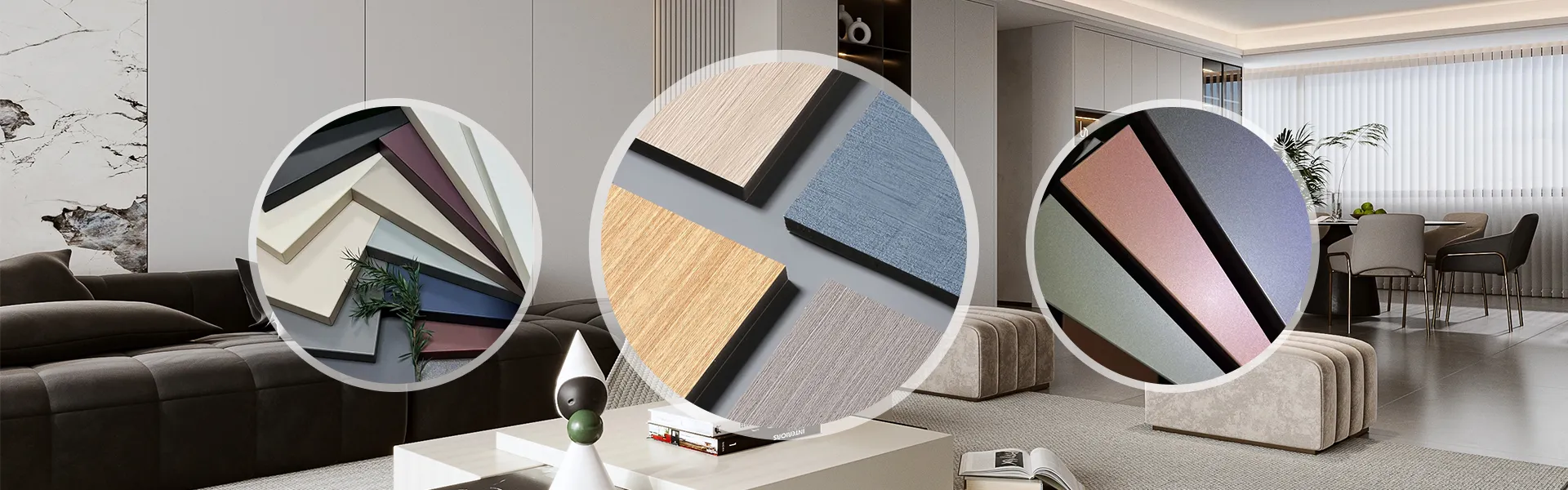
Quality & Customization PP Wall Panel from Hanhua
PP Wall Panel is a typical and very “project-oriented” product in the functional wall covering system.
It is not intended for sophisticated decorative effects, but is more often used in spaces where waterproofing, chemical resistance, cleanliness and long-term stability are clear requirements.
In many industrial, commercial and public projects, PP wall panels are often used as a more reliable alternative when traditional wood, PVC or composite finishes do not meet the requirements of the environment in which they are to be used.
What is the material basis for PP Wall Panel ?
The core material of PP siding is Polypropylene
, a thermoplastic that is widely used in industry and has very proven material properties and a history of stable applications.
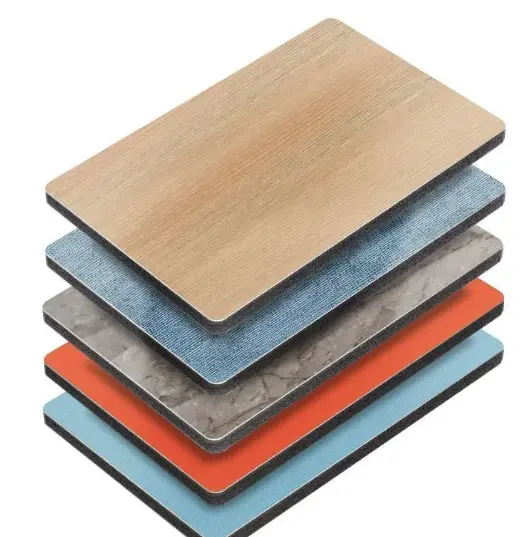
Unlike decorative composite wall panels, PP Wall Panel are closer to solid plastic panels and are usually constructed as homogeneous or high-density monolithic structures rather than multi-layer veneer systems.
This material property determines the direction of the advantages of PP wall panels in terms of performance, and also defines its application scenarios.
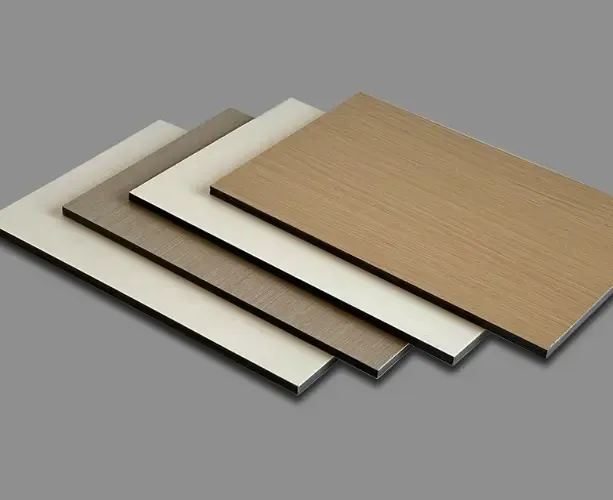
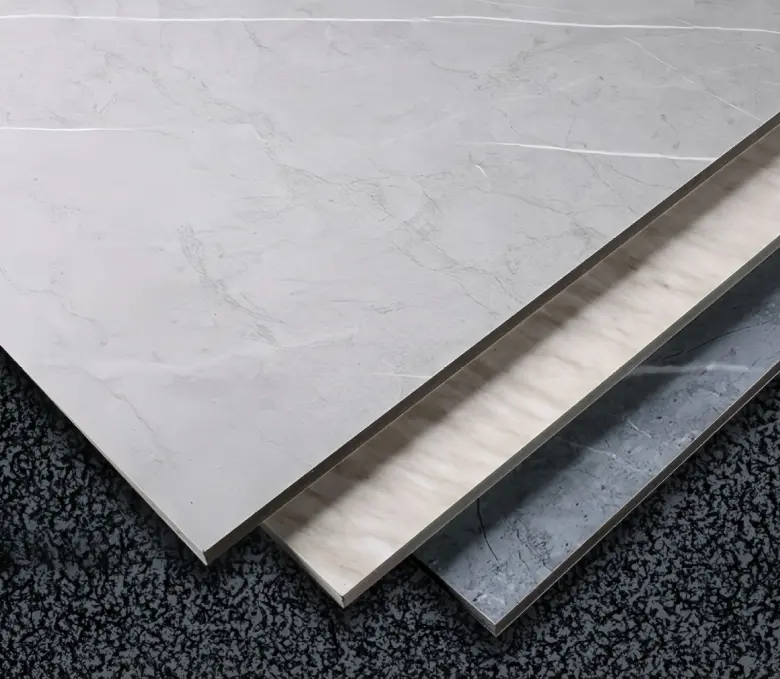
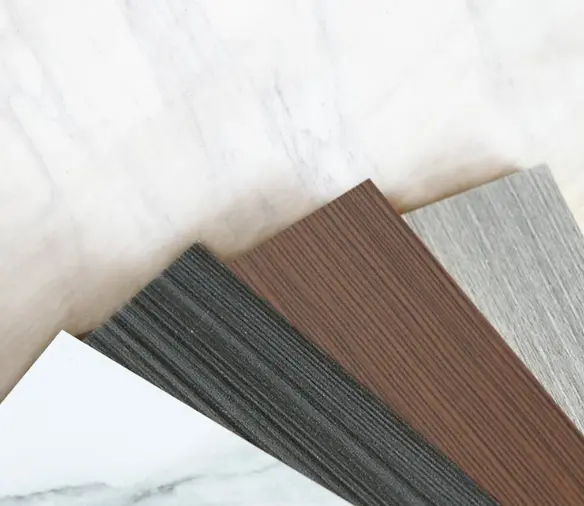
Why are PP wall panels chosen for projects?
In practice, PP Wall Panel are often chosen not because of a “design preference”, but because of objective constraints due to environmental conditions and usage requirements.
The following types of requirements are directly responsible for the frequent use of PP Wall Panel :
Prolonged exposure to water or high humidity
Specific requirements for mold and corrosion protection
Frequent or even intensive cleaning
Requirements for chemical stability
Do not want the wall material to absorb water, deform or deteriorate
The advantages of PP wall panels are very straightforward in these conditions and are easy to be understood by the project owner.
Core characteristics of PP Wall Panel in terms of performance
In terms of material properties, PP Wall Panel typically offer the following stable performance:
1. Stable waterproofing
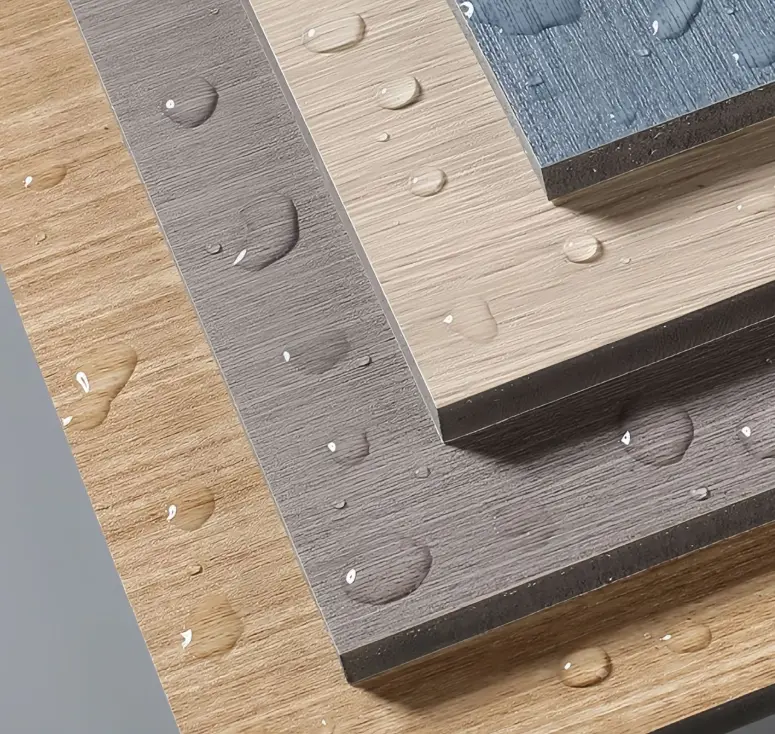
PP does not inherently absorb water, which means that the panel structure will not swell, delaminate or deform as a result of absorbing water in a humid environment. This is particularly important in kitchens, sanitary areas, industrial spaces and some commercial backyards.
2. Good chemical resistance
PP has good resistance to a wide range of acids, alkalis and common cleaning agents. This allows PP wall panels to be used in areas where the frequency and intensity of cleaning is important.
3. easy to clean surface
PP wall panels have a dense surface structure that is not easy to retain stains, and routine maintenance is relatively simple, making them suitable for spaces with high hygienic requirements. 4. high stability of the material
4. High material stability
Within a reasonable range of use, PP panels are not easy to brittle cracks, and are not prone to significant performance degradation due to environmental changes.
Differences between PP wall panels and traditional wall paneling materials
PP wall panels are often compared to PVC wall panels, composite veneer panels or wood wall panels in the selection of wall coverings
From an engineering point of view, PP wall panels differ in the following ways:
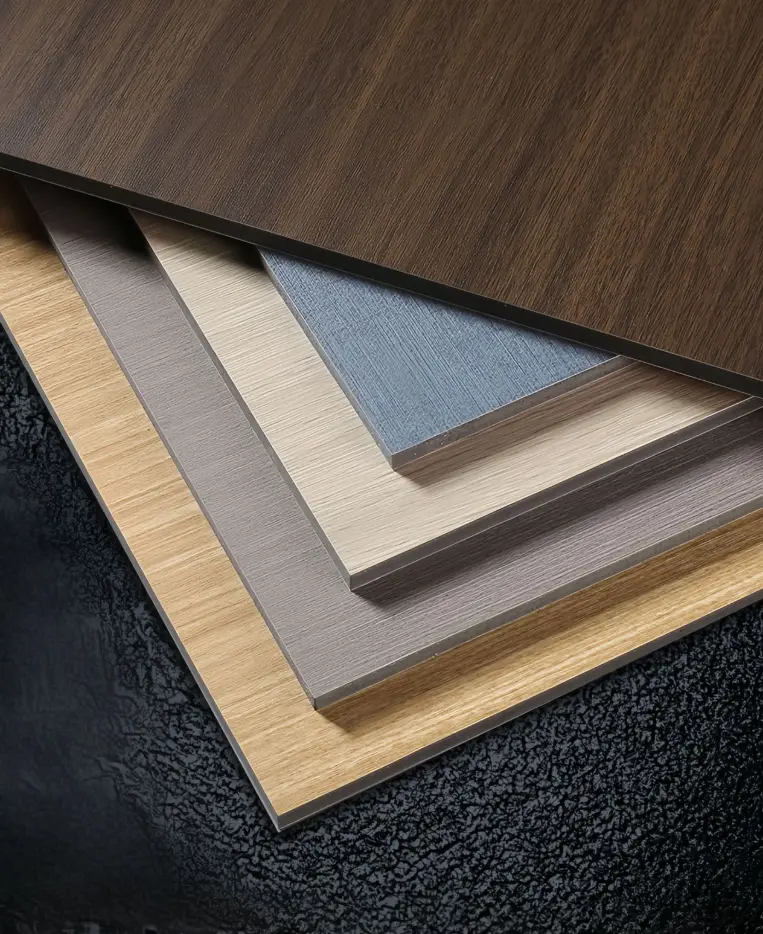
More functional than decorative
Material structure is closer to that of solid plastic panels
More resilient to wet, clean and chemical environments
Relatively restrained in terms of visual decorative qualities
This means that PP wall panels are not intended to replace all wall panels. This also means that PP wall panels are not intended to replace all wall panels, but rather to be used in areas where material performance is more important than decorative needs.
Thickness and specification: serving structural and usage needs
PP wall panels usually provide a variety of thickness options, such as 5mm, 6mm, etc. The selection of specific thickness is often related to the following factors:
Requirements for wall flatness
Installation method
Whether certain structural support is required
Strength requirements of the usage environment
In actual projects, PP wall panels emphasize more on “appropriate specifications” rather than pursuing too many complex variations. In actual projects, PP wall panels emphasize more on the “right specification” than on the pursuit of too many complex variations.
Installation logic of PP wall panels
From the construction point of view, the installation of PP wall panels is relatively straightforward, usually based on:
Mechanical fixing
Glue fixing
Combined fixing
, the specific program will be adjusted according to the structure of the wall, the use of the environment and local construction habits.
As PP wall panel is a plastic solid plate, in the installation, more emphasis on structural stability and fixing reliability, rather than complex decorative splicing.
Which application scenarios are PP wall panels more suitable for?
Combining material properties and practical application experience, PP wall panels are more commonly used in the following scenarios:
Commercial kitchens and back-of-house areas
Food processing or preparation spaces
Laboratory, medical support spaces
Internal walls in industrial plants
Public areas where cleanliness and waterproofing are required
These spaces have the following common characteristics:
Functionality is prioritized over decorative aspects, and reliability.
- View as
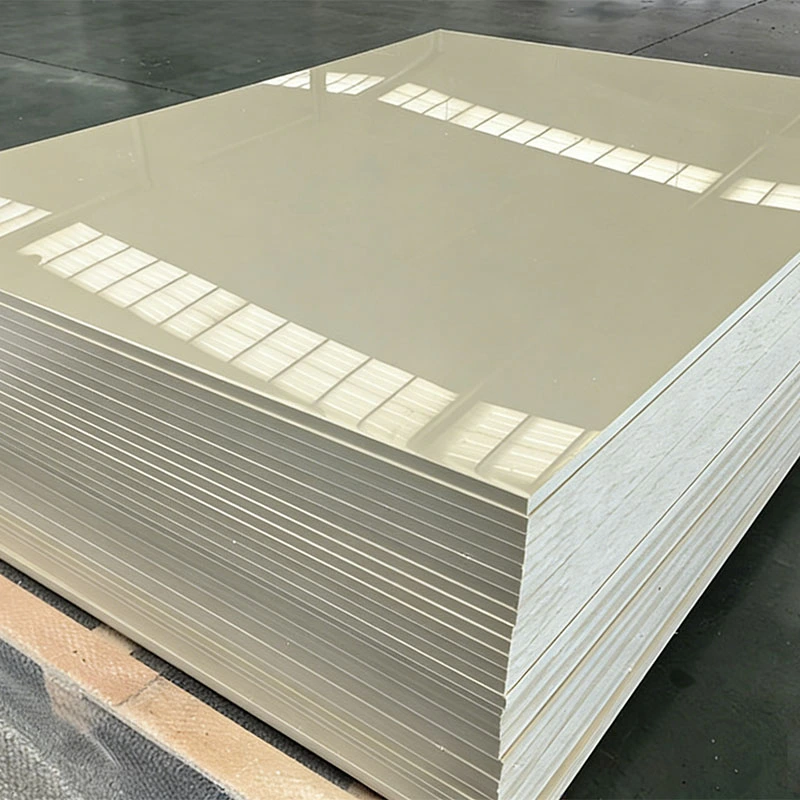
5mm PP Wall Panel
As a professional China manufacturer and supplier, Hanhua's 6mm and 5mm PP wall panels are made of high-purity polypropylene material extrusion, with lightweight, high toughness, non-absorbent, non-corrosive features, especially suitable for modern home decoration, can replace the traditional wood, PVC, aluminium composite panels and other panels.The PP material of 5mm PP wall Sheet itself has very good chemical resistance and stability, in the humidity, high temperature, oil and dirt environment can still remain flat and not deformed, and the service life is far more than the The service life is much longer than the common plate.
Read MoreSend Inquiry
Hanhua is a professional PP Wall Panel manufacturer and supplier in China. We warmly welcome you to purchase durable products at competitive price from our factory.
 Hanhua
 Jake lin