
- English
- Español
- Português
- русский
- Français
- 日本語
- Deutsch
- tiếng Việt
- Italiano
- Nederlands
- ภาษาไทย
- Polski
- 한국어
- Svenska
- magyar
- Malay
- বাংলা ভাষার
- Dansk
- Suomi
- हिन्दी
- Pilipino
- Türkçe
- Gaeilge
- العربية
- Indonesia
- Norsk
- تمل
- český
- ελληνικά
- український
- Javanese
- فارسی
- தமிழ்
- తెలుగు
- नेपाली
- Burmese
- български
- ລາວ
- Latine
- Қазақша
- Euskal
- Azərbaycan
- Slovenský jazyk
- Македонски
- Lietuvos
- Eesti Keel
- Română
- Slovenski
- मराठी
- Srpski језик
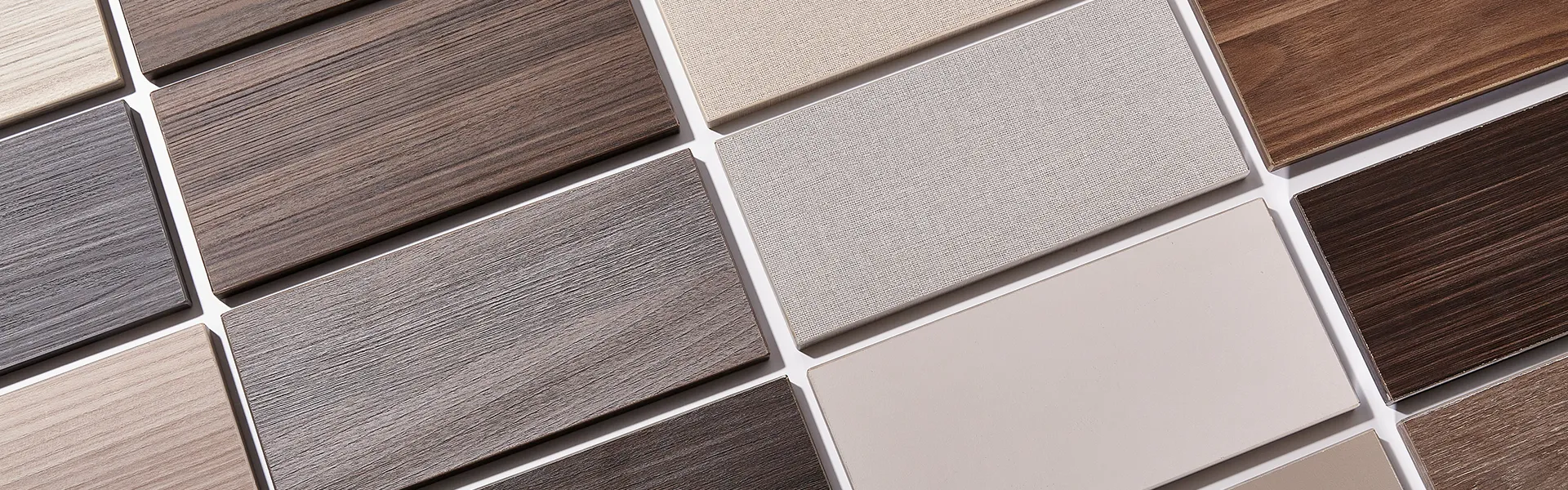
Why Is Medium Density Fiberboard Becoming the Preferred Choice for Modern Furniture and Interior Applications
Medium Density Fiberboard has become one of the most widely used engineered wood materials in furniture manufacturing, interior decoration, and commercial projects because of its excellent surface quality, stable structure, and flexible processing performance. In this article, we explore why Medium Density Fiberboard is gaining popularity, how it is manufactured, what advantages it offers, and how businesses can select the right board solution for different applications.
As a professional manufacturer, Hanhua provides reliable Medium Density Fiberboard solutions designed to meet different furniture, construction, and decorative requirements. With advanced production technology and strict quality control, Hanhua focuses on delivering boards with consistent density, smooth finishing, and long-term performance.

Table of Contents
- What Is Medium Density Fiberboard and How Is It Made?
- Why Does Medium Density Fiberboard Stand Out in Modern Applications?
- Where Can Medium Density Fiberboard Be Used?
- How Can You Choose the Right Medium Density Fiberboard?
- What Makes Medium Density Fiberboard Different from Other Wood Panels?
- How Does Hanhua Ensure Medium Density Fiberboard Quality?
- Frequently Asked Questions About Medium Density Fiberboard
- Why Should You Contact Hanhua for Medium Density Fiberboard Solutions?
What Is Medium Density Fiberboard and How Is It Made?
Medium Density Fiberboard, commonly known as MDF, is an engineered wood panel manufactured by breaking down hardwood or softwood residuals into fine wood fibers. These fibers are combined with resin and compressed under controlled heat and pressure to create a dense, uniform, and smooth panel.
Unlike natural wood, Medium Density Fiberboard has a consistent internal structure without knots or irregular grain patterns. This unique composition allows manufacturers to achieve precise cutting, detailed shaping, and high-quality surface finishing.
The typical production process includes several important stages:
- Wood fiber preparation: Raw wood materials are processed into fine fibers to ensure uniform structure.
- Resin bonding: Fibers are mixed with adhesives to improve strength and stability.
- Hot pressing: The material is compressed under high temperature to form solid panels.
- Sanding and finishing: The surface is polished to achieve excellent smoothness and coating performance.
- Quality inspection: Finished boards are tested for density, thickness accuracy, and durability.
Through precise manufacturing control, high-quality Medium Density Fiberboard can provide reliable performance for various industrial and decorative applications.
Why Does Medium Density Fiberboard Stand Out in Modern Applications?
The growing demand for Medium Density Fiberboard comes from its balance between performance, cost efficiency, and design flexibility. Compared with traditional solid wood materials, MDF offers more predictable quality and easier processing.
| Feature | Benefit | Typical Application |
|---|---|---|
| Smooth Surface | Provides excellent finishing results for painting, laminating, and veneering. | Cabinet doors, decorative panels, furniture surfaces |
| Uniform Structure | Ensures stable performance without natural wood defects. | Customized furniture and interior projects |
| Easy Processing | Supports cutting, drilling, engraving, and complex designs. | Modern furniture manufacturing |
| Cost Efficiency | Offers high performance while reducing material waste. | Large-scale commercial production |
| Excellent Surface Compatibility | Works well with different decorative finishes. | Home decoration and office interiors |
One of the biggest advantages of Medium Density Fiberboard is its ability to achieve premium appearance without requiring expensive natural wood. Designers and manufacturers can apply different coatings, laminates, or veneers to create attractive finishes suitable for various styles.
In addition, Medium Density Fiberboard provides better dimensional stability compared with many natural wood products. Changes in humidity and temperature are less likely to cause significant deformation when the board is produced with proper technology.
Where Can Medium Density Fiberboard Be Used?
Because of its smooth surface and excellent machining characteristics, Medium Density Fiberboard is widely applied across multiple industries. From residential furniture to commercial spaces, it offers manufacturers a practical material solution.
- Furniture Manufacturing: Medium Density Fiberboard is commonly used for wardrobes, cabinets, shelves, tables, and office furniture because it supports detailed designs and smooth finishes.
- Interior Decoration: Wall panels, decorative elements, and customized structures often rely on MDF for its attractive appearance and easy installation.
- Door Production: MDF panels are widely used for interior doors because they provide stable dimensions and excellent painting performance.
- Retail and Exhibition Design: Shops and exhibition spaces use MDF components for temporary structures and customized displays.
- DIY Projects: Its easy cutting and finishing properties make MDF suitable for creative home improvement projects.
How Can You Choose the Right Medium Density Fiberboard?
Selecting the right Medium Density Fiberboard is important because different projects require different levels of strength, moisture resistance, surface quality, and processing capability. A suitable MDF solution can improve production efficiency while ensuring the final product maintains excellent appearance and durability.
When choosing Medium Density Fiberboard, buyers should consider the following key factors:
- Density and Strength: Higher-quality MDF should have uniform density throughout the panel. This helps improve screw holding ability, machining accuracy, and overall durability.
- Thickness Options: Different applications require different thicknesses. Furniture structures may need thicker boards, while decorative applications may use thinner panels.
- Surface Quality: A smooth and flat surface ensures better performance during painting, laminating, and veneering processes.
- Environmental Performance: Choosing MDF with controlled formaldehyde emissions helps create safer indoor environments.
- Processing Requirements: Manufacturers should select boards that match their cutting, drilling, engraving, and finishing needs.
For large-scale furniture manufacturers and construction companies, working with a reliable Medium Density Fiberboard supplier is essential. Stable product quality, consistent specifications, and professional technical support can significantly reduce production problems and improve project efficiency.
What Makes Medium Density Fiberboard Different from Other Wood Panels?
Many engineered wood products are available in the market, including plywood, particle board, and solid wood panels. However, Medium Density Fiberboard has unique advantages that make it suitable for applications requiring both appearance and processing flexibility.
| Material Type | Main Characteristics | Advantages | Common Uses |
|---|---|---|---|
| Medium Density Fiberboard | Fine wood fibers compressed into a uniform panel | Smooth surface, easy machining, excellent finishing ability | Furniture, cabinets, decorative panels |
| Plywood | Multiple layers of wood veneer bonded together | High structural strength and good stability | Construction, flooring, heavy-duty applications |
| Particle Board | Wood particles bonded under pressure | Affordable and lightweight | Basic furniture and temporary structures |
| Solid Wood | Natural wood with unique grain patterns | Premium appearance and natural texture | High-end furniture and decoration |
Compared with particle board, Medium Density Fiberboard provides a finer surface and better finishing performance. Compared with solid wood, MDF offers greater consistency and fewer natural defects. This makes it a preferred choice for manufacturers who need reliable quality and flexible design possibilities.
How Does Hanhua Ensure Medium Density Fiberboard Quality?
Quality control plays an important role in producing dependable Medium Density Fiberboard. Hanhua focuses on every stage of manufacturing, from raw material selection to final inspection, to ensure every panel meets strict production requirements.
The company applies advanced production methods to maintain stable board performance, including accurate fiber preparation, controlled pressing technology, and professional surface treatment processes.
Key quality advantages include:
- Reliable Raw Materials: Carefully selected wood resources help create stable fiber structures and consistent board performance.
- Advanced Manufacturing Process: Modern production equipment improves thickness accuracy, density control, and product consistency.
- Strict Quality Inspection: Each batch is evaluated to ensure it meets customer expectations for strength, appearance, and durability.
- Flexible Customization: Different sizes, thicknesses, and finishing requirements can be provided according to project needs.
- Professional Support: Technical assistance helps customers select suitable MDF solutions for different applications.
By combining manufacturing experience with strict quality management, Hanhua aims to provide Medium Density Fiberboard products that support long-term customer success in furniture production and interior projects.
Frequently Asked Questions About Medium Density Fiberboard
What is Medium Density Fiberboard mainly used for?
Medium Density Fiberboard is mainly used for furniture manufacturing, interior decoration, cabinets, doors, wall panels, and customized wooden products. Its smooth surface and excellent machining performance make it suitable for designs requiring precise processing and attractive finishes.
Is Medium Density Fiberboard stronger than particle board?
Yes, Medium Density Fiberboard generally offers better surface quality, higher density, and improved machining performance compared with particle board. It is especially suitable for applications requiring detailed cutting, painting, or decorative finishing.
Can Medium Density Fiberboard be painted or laminated?
Yes. One of the major advantages of Medium Density Fiberboard is its smooth surface, which provides excellent compatibility with paint, PVC films, laminates, and wood veneers.
Does Medium Density Fiberboard have different thickness options?
Yes. Medium Density Fiberboard is available in various thicknesses to meet different manufacturing and construction requirements. The suitable thickness depends on the specific application, load requirements, and design needs.
Why should manufacturers choose Hanhua Medium Density Fiberboard?
Hanhua focuses on stable quality, precise production, and customer-oriented service. By combining professional manufacturing technology with strict quality control, Hanhua provides reliable Medium Density Fiberboard solutions for different industries and applications.
Why Should You Contact Hanhua for Medium Density Fiberboard Solutions?
Choosing the right Medium Density Fiberboard supplier can make a significant difference in product quality, production efficiency, and long-term business development. With professional manufacturing capabilities, stable product performance, and flexible customization options, Hanhua is committed to helping customers achieve better results in furniture, decoration, and industrial applications.
If you are looking for high-quality Medium Density Fiberboard with reliable performance and professional support, please contact us today. Hanhua is ready to provide suitable MDF solutions, technical guidance, and customized services to meet your project requirements.
Conclusion
Medium Density Fiberboard has become an essential engineered wood material because it combines excellent surface quality, stable structure, processing flexibility, and cost efficiency. Whether used for furniture manufacturing, interior decoration, or customized projects, MDF provides manufacturers and designers with a practical and versatile solution. By choosing a trusted supplier like Hanhua, customers can gain access to consistent quality, professional service, and dependable material performance for future projects.
 Hanhua
 Jake lin