
- English
- Español
- Português
- русский
- Français
- 日本語
- Deutsch
- tiếng Việt
- Italiano
- Nederlands
- ภาษาไทย
- Polski
- 한국어
- Svenska
- magyar
- Malay
- বাংলা ভাষার
- Dansk
- Suomi
- हिन्दी
- Pilipino
- Türkçe
- Gaeilge
- العربية
- Indonesia
- Norsk
- تمل
- český
- ελληνικά
- український
- Javanese
- فارسی
- தமிழ்
- తెలుగు
- नेपाली
- Burmese
- български
- ລາວ
- Latine
- Қазақша
- Euskal
- Azərbaycan
- Slovenský jazyk
- Македонски
- Lietuvos
- Eesti Keel
- Română
- Slovenski
- मराठी
- Srpski језик
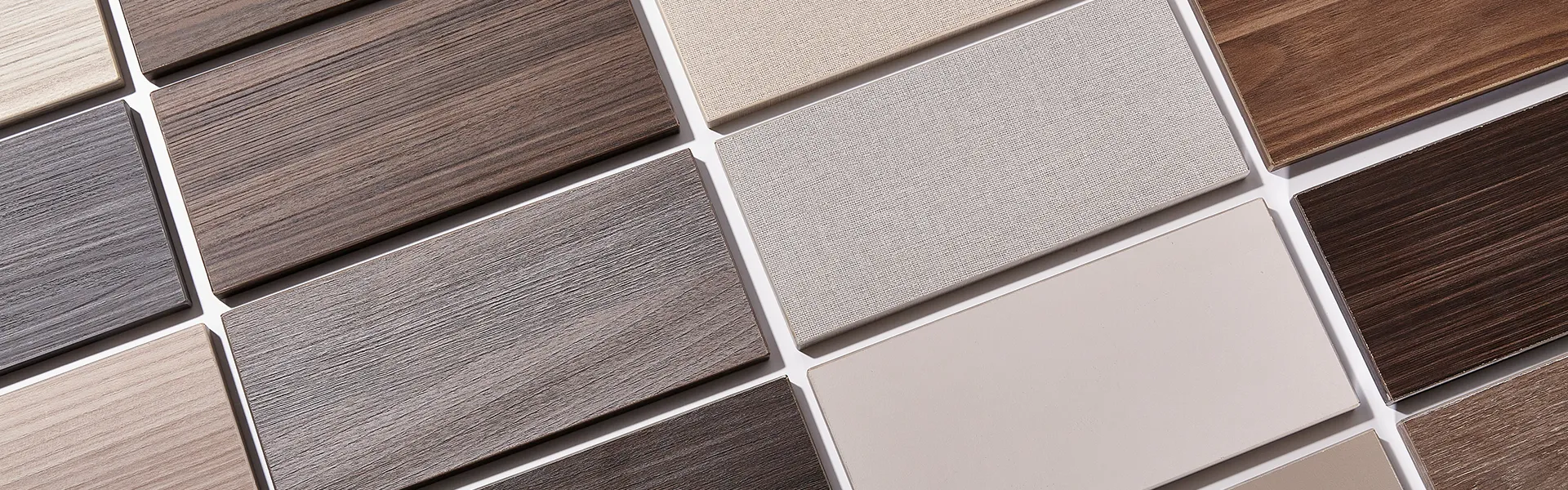
Latest Developments in the MDF Industry
The core trends of the recent MDF industry focus on three major directions: cost-driven price hikes, breakthroughs in recycling technology and global capacity expansion. Detailed analysis from perspectives of price, sustainable production and production capacity is as follows:
1. Price Hikes: Cost Pressures Force Price Adjustments
Price increase range: Leading manufacturers have generally raised prices by 5% to 10%. The main cause is the sharp surge in raw material and chemical costs, especially methanol, a core raw material for bonding resins, whose price has risen drastically due to energy prices and geopolitical conflicts.
Cost transmission: Prices of timber, adhesives and energy keep climbing,coupled with investment in upgrading environmental protection equipment. The industry profit margin has shrunk from 20% to around 10%, making price
increases the main way for enterprises to maintain profits.
Regional differences: MDF prices in Europe and America (350-450 US dollars per cubic meter) are notably higher than those in the Asia-Pacific region (250-300 US dollars per cubic meter), mainly due to stricter environmental regulations and higher operating costs.
2. Sustainable Manufacturing: Recycling and Low-carbon Technologies Become Priorities
Breakthroughs in recycling technology: France-based Unilin has built the world’s first industrial-grade MDF/HDF recycling plant with an investment of 20 million euros. It can process 210,000 tons of waste wood panels annually and cut carbon emissions by 380,000 tons. Products containing 25% recycled fiber will be launched starting from 2026.
Low-carbon effects: British research proves that adopting recycled fibers can reduce the carbon footprint of MDF production by 26%. The industry is accelerating the promotion of ultra-low formaldehyde (ENF grade) products, and
panels using formaldehyde-free adhesives such as MDI enjoy a premium of 20% to 40%.
Environmental upgrading: China will enforce new national standards in June 2026, requiring indoor wood panels to reach ENF grade. This forces manufacturers to switch to formaldehyde-free adhesives and upgrade production
lines, with renovation costs exceeding one million yuan per factory.
3. Capacity Expansion: Global Upgrading to Meet Growing Demand
North America layout: Roseburg Forest Products invests 230 million US dollars to restart its MDF factory, introducing the 8th-generation continuous press to triple production capacity. Upon operation in 2028, it will become a low-cost
MDF production base in North America.
Asia-Pacific capacity expansion: Strong market demand prevails in China and India, with India’s annual MDF demand growth rate exceeding 10%. Major production areas including Guangxi and Shandong in China keep expanding
production capacity, which accounted for over 40% of the global total in 2025.
European industrial upgrading: Germany and Poland dominate European MDF production capacity. Local enterprises are upgrading production lines for intelligent and circular production to balance market supply-demand
relations and environmental goals.
4. Core Industry Logic
The MDF industry is currently in a critical period featuring cost pressure, green transformation and capacity optimization. In the short term, price increases ease cost burdens; in the long run, enterprises will build core competitiveness via recycling technologies and low-carbon products. Global capacity expansion is centered on building high-efficiency and
eco-friendly production capacity while phasing out backward production capacity.
 Hanhua
 Jake lin