
- English
- Español
- Português
- русский
- Français
- 日本語
- Deutsch
- tiếng Việt
- Italiano
- Nederlands
- ภาษาไทย
- Polski
- 한국어
- Svenska
- magyar
- Malay
- বাংলা ভাষার
- Dansk
- Suomi
- हिन्दी
- Pilipino
- Türkçe
- Gaeilge
- العربية
- Indonesia
- Norsk
- تمل
- český
- ελληνικά
- український
- Javanese
- فارسی
- தமிழ்
- తెలుగు
- नेपाली
- Burmese
- български
- ລາວ
- Latine
- Қазақша
- Euskal
- Azərbaycan
- Slovenský jazyk
- Македонски
- Lietuvos
- Eesti Keel
- Română
- Slovenski
- मराठी
- Srpski језик
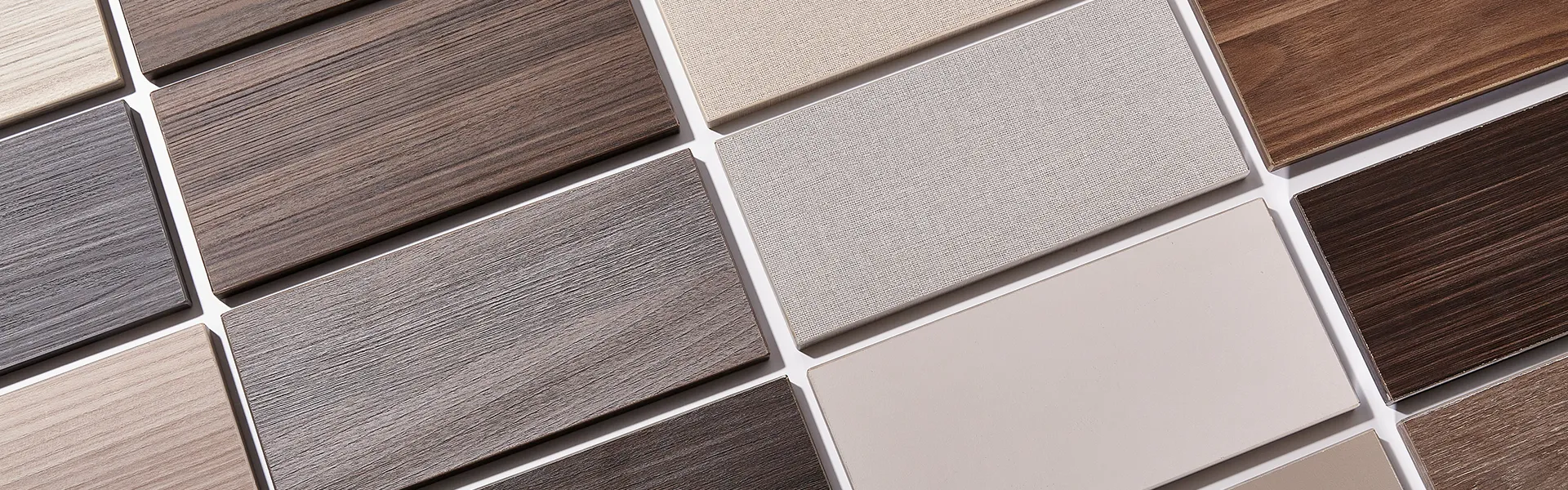
PET Board vs Spray-Painted vs Vacuum-Formed: How to Choose Kitchen Cabinet Doors?
1. How the Three Processes Work
A PET laminate board is created by bonding a layer of PET film onto a substrate (particleboard or multi-layer board) under high temperature and pressure.
The PET film itself is a food-grade material, typically 0.12–0.25 mm thick.
No painting is needed to achieve high-gloss or skin-touch effects.
Spray-painted boards undergo multiple rounds of painting and sanding, with each coat requiring oven drying — a lengthy process.
The final result is a mirror gloss effect, similar to the visual quality of piano lacquer.
Vacuum-formed boards use PVC film vacuum-adhered onto a carved substrate.
They can achieve embossed, sculpted designs typical of classical European or country-style doors.
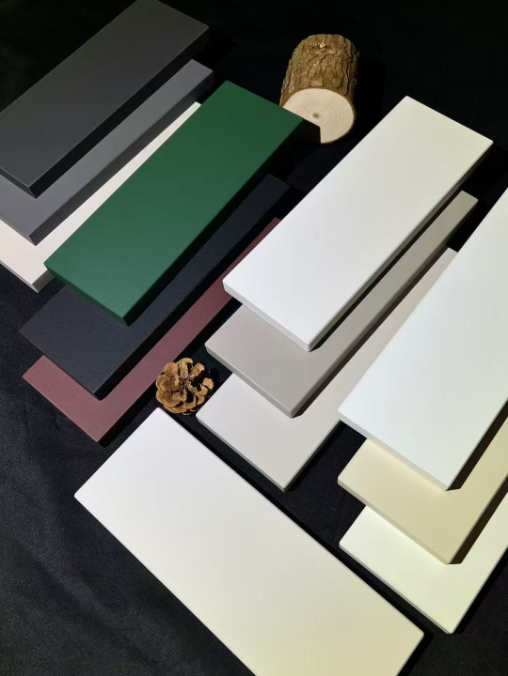
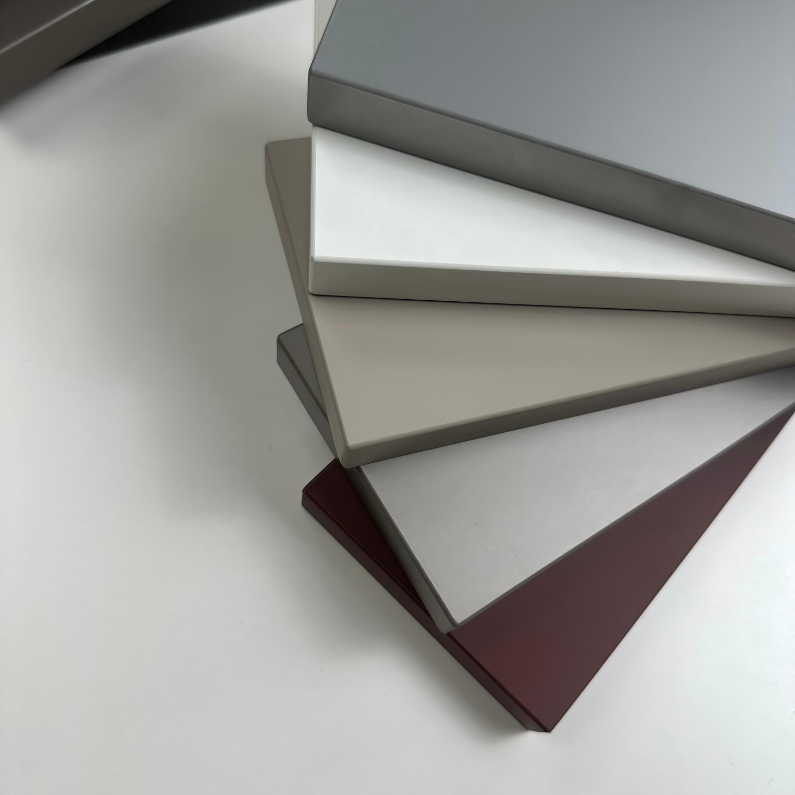
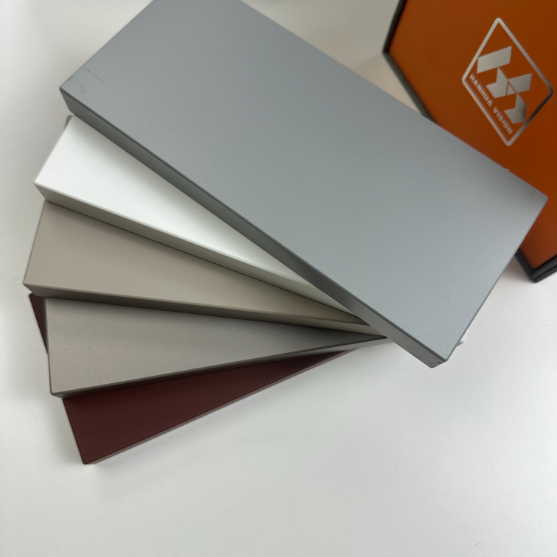
2. Head-to-Head Core Performance Comparison
On scratch resistance, PET boards rank highest.
Lab tests show no visible scratches after 200 passes with a steel wool pad.
Spray-painted boards show marks after just 10 passes. Vacuum-formed boards fall in between.
PET film has inherently higher surface hardness than cured paint, while spray-painted surfaces are essentially a layer of cured resin film.
On eco-friendliness, PET boards lead. The film is non-toxic and odorless. Combined with an E0 substrate, the product is move-in-ready with no extended ventilation.
Spray-painted boards release significant VOCs during manufacturing. While cured surfaces are relatively safe, the production process is environmentally inferior.
Vacuum-formed boards are eco-friendly in substrate, but PVC films may release plasticizers at high temperatures.
On visual effect, spray-painted boards offer the best mirror gloss — a deep, piano-lacquer shine.
High-gloss PET boards achieve ≥95 GU, approaching spray-painted quality but with a slight "plastic" feel.
Skin-touch PET boards (ultra-matte, ≤1.5 GU) deliver a completely non-reflective warmth that neither spray-painting nor vacuum-forming can replicate.
Price ranking (low to high): particleboard PET ≤ vacuum-formed < spray-painted < multi-layer board PET.
For mass production, PET boards offer a clear overall cost advantage.
3. Recommended Use Scenarios
For minimalist modern aesthetics with durability and eco-friendliness, PET boards are the best overall choice.
The skin-touch series is particularly popular among younger consumers.
For ultimate mirror gloss and deep visual richness with an ample budget, spray-painted boards are worth considering — but be mindful of scratch maintenance.
For sculpted, embossed doors in classical or country styles, vacuum-formed boards offer the most cost-effective solution with unmatched design flexibility.
For bulk project applications such as chain hotels and developer-fitted apartments, PET boards offer superior consistency and installation efficiency over spray-painted alternatives.
 Hanhua
 Jake lin