
- English
- Español
- Português
- русский
- Français
- 日本語
- Deutsch
- tiếng Việt
- Italiano
- Nederlands
- ภาษาไทย
- Polski
- 한국어
- Svenska
- magyar
- Malay
- বাংলা ভাষার
- Dansk
- Suomi
- हिन्दी
- Pilipino
- Türkçe
- Gaeilge
- العربية
- Indonesia
- Norsk
- تمل
- český
- ελληνικά
- український
- Javanese
- فارسی
- தமிழ்
- తెలుగు
- नेपाली
- Burmese
- български
- ລາວ
- Latine
- Қазақша
- Euskal
- Azərbaycan
- Slovenský jazyk
- Македонски
- Lietuvos
- Eesti Keel
- Română
- Slovenski
- मराठी
- Srpski језик
How Can a Slat Wall Panel Transform a Space Without Making It Feel Overdesigned?
Article Summary
Choosing the right wall finish is rarely just about decoration. In real projects, people want a solution that looks refined, feels modern, and stays practical over time. A Slat Wall Panel often meets that need because it introduces rhythm, depth, and visual order without forcing the entire room into a heavy or complicated style. In this article, I will break down how this type of panel works, where it performs best, what buyers should pay attention to before ordering, and how to avoid the most common mistakes in design, installation, and long-term maintenance. I will also explain why many buyers now turn to manufacturers such as Hanhua Vision (Xiamen) New Material Technology Co., Ltd. when they want a cleaner and more reliable wall panel solution for residential and commercial interiors.
Table of Contents
- What will this article cover?
- Why does a Slat Wall Panel attract so much attention?
- What problems can a Slat Wall Panel solve in real projects?
- Which spaces benefit most from a Slat Wall Panel?
- What should buyers check before choosing a Slat Wall Panel?
- How does a Slat Wall Panel compare with flat wall finishes?
- What mistakes should buyers avoid?
- What do buyers ask most often?
- How should you move forward?
Outline
- How a Slat Wall Panel improves visual depth and wall rhythm
- Why buyers use it to solve plain, empty, or poorly proportioned walls
- Which application scenarios are the most practical
- How to judge finish, spacing, color, substrate, and installation logic
- What common purchasing and design mistakes should be avoided
- How to choose a supplier with a more dependable project mindset
Why does a Slat Wall Panel attract so much attention?
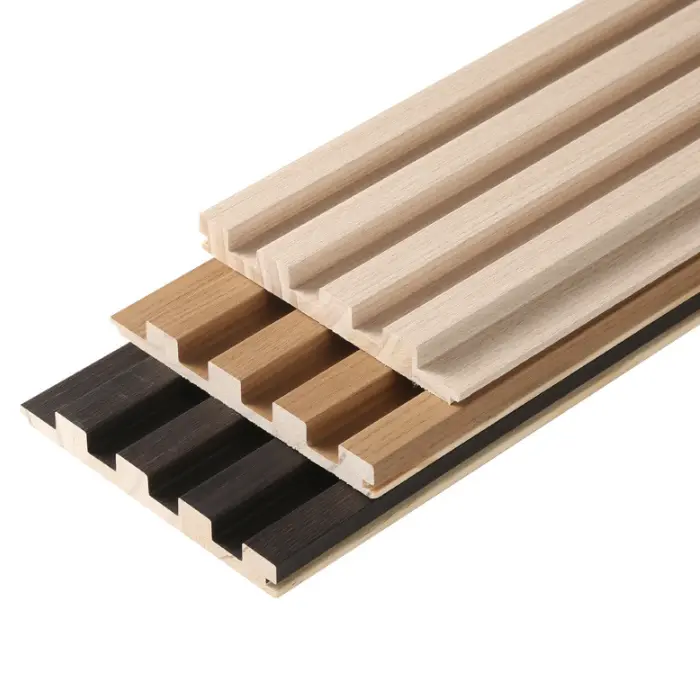
I think the reason is simple: most walls do not fail because they are unusable. They fail because they feel flat, unfinished, or visually dull. A Slat Wall Panel changes that without demanding an overly dramatic redesign. It gives a wall a clearer structure, introduces a sense of rhythm, and helps a room look more intentional.
In many homes, offices, retail environments, and hospitality interiors, buyers do not actually want a wall system that overwhelms the room. What they want is balance. They want texture without clutter, character without chaos, and style without constant maintenance. That is exactly where this type of panel becomes attractive.
Instead of treating the wall as a blank background, the panel turns it into an active part of the overall space. It can visually stretch height, soften emptiness, frame focal points, and create a more polished transition between furniture, lighting, ceilings, and decorative elements.
What problems can a Slat Wall Panel solve in real projects?
Buyers usually come looking for a decorative wall solution when something in the room feels off. The wall may be too empty. The proportions may feel awkward. The style may seem unfinished. A Slat Wall Panel is often chosen because it addresses those pain points in a very direct way.
- It reduces the monotony of large blank walls. Long uninterrupted wall surfaces can make a room feel cold or unfinished. Slatted detailing introduces repetition and depth.
- It improves visual proportion. Vertical slats can help a space feel taller, while carefully planned layout direction can guide how the eye moves across the room.
- It creates a focal point. TV walls, reception walls, entry walls, and feature backdrops benefit from a surface that feels more deliberate.
- It supports a modern interior language. Many buyers want a cleaner, more architectural look without resorting to heavy molding or bulky structures.
- It helps connect design elements. It can echo cabinetry, flooring tones, lighting lines, or furniture geometry more naturally than a plain painted wall.
| Common Buyer Problem | How a Slat Wall Panel Helps | Practical Result |
|---|---|---|
| A wall feels too empty | Adds texture and repeated visual rhythm | The space looks more complete |
| The room feels short or flat | Uses directional lines to influence perception | The proportions feel more balanced |
| The style lacks identity | Creates a clear focal surface | The room feels more intentional |
| Decor risks becoming too complicated | Offers depth without bulky construction | The design stays controlled and clean |
Which spaces benefit most from a Slat Wall Panel?
Not every surface needs slatted treatment, and that is actually part of the appeal. A Slat Wall Panel often works best when it is used with purpose rather than spread thoughtlessly across every wall.
I usually see stronger results when it is applied in spaces that need an upgrade in atmosphere but still have to remain practical and easy to control. These are some of the most effective uses:
- Living room feature walls to support a TV area or sofa backdrop
- Entry and foyer walls where first impressions matter
- Office reception areas that need a professional but modern identity
- Retail spaces where the wall must look designed without distracting from products
- Hotel and hospitality interiors that need warmth, depth, and visual continuity
- Corridors and transitional zones that otherwise feel narrow, plain, or underdesigned
What these spaces have in common is not just visibility. It is expectation. People notice them immediately. If those surfaces feel weak, the whole project feels less convincing. A well-planned Slat Wall Panel can fix that problem without making the installation feel excessive.
What should buyers check before choosing a Slat Wall Panel?
This is where many purchasing decisions go wrong. Some buyers focus too heavily on the color sample or the photo finish and ignore the deeper issues that affect the final result. In my view, a good-looking panel is not enough. A project-ready panel has to make sense in proportion, surface durability, installation method, and overall consistency.
| What to Check | Why It Matters | What to Ask the Supplier |
|---|---|---|
| Slat width and spacing | These determine rhythm, density, and overall visual comfort | Are there standard specifications or project-tested options? |
| Surface finish | Finish affects the realism, style, and maintenance burden | Is the finish suitable for residential or commercial use? |
| Substrate stability | A panel must remain reliable during transport and installation | What base material is used and how stable is it? |
| Color consistency | Inconsistent batches can ruin the final wall effect | How is batch consistency controlled? |
| Installation logic | Complicated installation increases labor risk and errors | Is the panel system easy to align and install? |
| Application suitability | Different spaces demand different performance expectations | Where is this panel best recommended? |
I would also pay attention to whether the supplier understands system thinking instead of only selling a single product photo. A serious manufacturer should be able to discuss where the panel works, how it pairs with flat wall materials, and how buyers can keep the whole design under control. That is one reason why many buyers prefer working with companies such as Hanhua Vision (Xiamen) New Material Technology Co., Ltd., especially when they need a product that feels commercially prepared rather than casually presented.
How does a Slat Wall Panel compare with flat wall finishes?
A flat finish is still useful. In fact, I do not think a Slat Wall Panel should always replace it. The better approach is often combination. Flat walls keep the room clean and calm, while slatted sections create emphasis and depth where the eye needs it most.
| Wall Solution | Main Strength | Main Limitation | Best Use |
|---|---|---|---|
| Flat wall finish | Simple, clean, easy to manage | Can feel plain or underdesigned | Large background surfaces |
| Slat Wall Panel | Adds rhythm, depth, and visual focus | Needs proportion control to avoid visual overload | Feature zones and accent areas |
| Heavy decorative wall system | High visual impact | Can look bulky, expensive, or overly themed | Statement interiors only |
For most buyers, the smartest route is not choosing one extreme. It is building contrast. A room tends to feel better when the eye has somewhere to rest and somewhere to focus. That is why combining plain panels with a carefully positioned Slat Wall Panel often produces a stronger result than using one finish everywhere.
What mistakes should buyers avoid?
Even a strong product can disappoint if the design decision behind it is weak. I have seen buyers blame the material when the real problem was poor planning. Before placing an order, I would avoid the following mistakes:
- Using it on every visible wall. Too much repetition can make the room feel cramped or predictable.
- Ignoring scale. Slat proportions that look fine in a sample may feel too dense or too thin once installed on a full wall.
- Choosing only by photo. A good image does not automatically mean good durability, consistency, or ease of installation.
- Forgetting surrounding materials. The panel has to work with floors, ceilings, furniture, and lighting.
- Overcomplicating the palette. If the wall already has texture, too many extra finishes can create conflict instead of refinement.
- Not checking project practicality. A beautiful wall still needs to be manageable for production, shipping, and fitting.
This is exactly why buyers should not treat a Slat Wall Panel as a trend item alone. It is a design tool. Used with restraint, it can make a room feel more elevated. Used without discipline, it can easily become visual noise.
What do buyers ask most often?
What is the main advantage of a Slat Wall Panel?
The biggest advantage is that it adds depth and order without requiring heavy structural decoration. It helps a room feel more finished while staying visually controlled.
Is a Slat Wall Panel only for luxury interiors?
No. It works in many settings, from homes and offices to hospitality and commercial spaces. The key is selecting a suitable finish, proportion, and layout for the project.
Should a Slat Wall Panel be used on a full room or one wall only?
In many cases, one focal wall or one controlled section works better than full-room coverage. That usually creates a cleaner and more balanced visual effect.
What matters more, material or proportion?
Both matter, but proportion often determines whether the wall looks elegant or awkward. Slat width, spacing, and placement can affect the result as much as the surface itself.
Can buyers combine a Slat Wall Panel with other wall materials?
Yes, and that is often the best approach. Pairing it with flat wall panels or other simpler finishes usually creates a more stable and adaptable design language.
How can I choose a more reliable supplier?
Look for a supplier that understands real application scenarios, consistency, finish control, and installation practicality. Product presentation alone is not enough; project thinking matters.
How should you move forward if you want a wall solution that looks modern and stays practical?
If your project needs a wall finish that feels more structured, more refined, and easier to integrate into a complete interior concept, a Slat Wall Panel is worth serious consideration. It offers a rare balance: decorative impact, practical flexibility, and a cleaner path toward a polished result.
The real key is not choosing the most dramatic option. It is choosing the right proportion, finish, and supplier for the kind of space you are building. When buyers approach the decision with that mindset, the wall stops being a background problem and starts becoming part of the project’s strongest visual asset.
If you are planning a residential, retail, office, or hospitality project and want a more dependable wall panel solution, now is the right time to compare options carefully. Hanhua Vision (Xiamen) New Material Technology Co., Ltd. can help you explore practical styles, finishes, and project-friendly solutions for your next interior application. If you are ready to upgrade your wall design with confidence, contact us today and start your inquiry with a team that understands both appearance and application.
 Hanhua
 Jake lin